
technology

Corporate Financial Planning, GenAI & AgenticAI, Performance Management

Machine Learning in FP&A: Signal Detection in a Noisy Business World

Financial Planning and Analysis (FP&A) is evolving from traditional budgeting to probabilistic forecasting utilizing machine learning. This shift enhances anomaly detection, refines driver-based modeling, and optimizes resource allocation. While machine learning presents challenges, it offers finance insights that improve decision-making, ensuring organizations can navigate uncertainties effectively. CFOs play a pivotal role in this transformation.


Leadership & Culture

Upskilling Finance: A Strategic Necessity

The success of digital transformation in finance hinges on talent, not technology. To close the widening digital skills gap, CFOs must prioritize targeted upskilling, fostering a culture of continuous learning, and redesigning career paths. This proactive approach will enhance financial insights, boost efficiency, and position finance as a strategic enterprise partner.

Governance, Leadership & Culture, Performance Management

Fractional CFOs and ‘Fractional Twins’: How Financial Veterans Deliver Value on Demand in a Dynamic Market

The shift in leadership towards fractional CFOs and fractional twins reflects the modern need for agility, precision, and expertise in rapidly changing business environments. These roles provide targeted support without permanent commitment, enhancing operational efficiency, mentoring internal talent, and offering specialized insights that drive growth while managing costs effectively.

Governance, Leadership & Culture

The Future CFO: Architecting Digital Transformation and Talent Evolution in the Finance Organization

The CFO’s role is evolving from financial steward to transformation leader, emphasizing digital integration and talent evolution. Today’s CFOs must embrace data-driven decision-making, automation, and analytics, while cultivating a skilled workforce. By redefining finance structures, investing in talent, and fostering a culture of innovation, they navigate a rapidly changing business landscape effectively.

Governance, Leadership & Culture

Sustainable Finance Meets AI: Frameworks for Responsible Implementation in the Modern CFO Office

The integration of finance and AI demands a responsible framework for governance, data integrity, scenario resilience, accountability, and alignment with sustainability goals. CFOs must ensure transparency in AI models, address potential biases, and embed ethical practices to foster trust. The convergence signals a vital shift towards responsible, sustainable capital management.

Leadership & Culture

Adaptive Leadership in Finance: The Rise of the Agile CFO in Complex Organizations

In complex, dynamic organizational environments, CFOs must evolve from traditional roles to become agile leaders, adept at navigating uncertainty and fostering collaboration. They emphasize adaptability, real-time data integration, and decentralized decision-making, creating an environment that rewards curiosity and encourages continuous learning while maintaining accountability and strategic vision for future challenges.

Corporate Financial Planning, Leadership & Culture

Complexity Science and Financial Risk: A New Approach

The content emphasizes the importance of recognizing and managing tail risks in finance, which are often unpredictable and can have significant impacts. CFOs must shift from traditional risk forecasting to dynamic scenario planning, focusing on system adaptability, interconnectedness, and real-time monitoring. Understanding and preparing for these risks can enhance organizational resilience and capitalize on opportunities during volatility.

Governance, Leadership & Culture

Managing Cybersecurity Risk in Finance: From Data Governance to Operational Resilience

Modern CFOs must recognize cybersecurity as a critical financial and strategic risk, not solely an IT concern. Effective data governance, third-party risk assessments, and employee training are essential. By integrating cybersecurity into finance operations and ensuring resilience planning, CFOs can safeguard their organization’s value and navigate the complexities of digital threats.

Corporate Financial Planning, Leadership & Culture, Performance Management

Capital Efficiency in a High-Rate Environment: How CFOs Can Use Scenario Planning to Navigate Uncertainty and Drive Smarter Allocation

Businesses are experiencing a shift where discipline in capital allocation is essential due to rising interest rates and economic volatility. Effective CFOs utilize scenario planning to model various financial futures, enabling precise decision-making and improved capital efficiency. This approach enhances strategic influence and resilience in uncertain environments, focusing on return rather than austerity.

Governance, Leadership & Culture

Post-Merger Complexity: Designing Finance Systems Architecture for Converged Entities

Post-merger integration poses significant challenges for CFOs, particularly in systems architecture. Successful mergers require strategic alignment in operational ecosystems, harmonized charts of accounts, and reliable master data management. Finance leaders must prioritize clarity, coherence, and capability in designing systems that support decision intelligence, ensuring the merged entity functions efficiently and effectively.

Corporate Financial Planning

Navigating Deal Valuation with Predictive Analytics

Deal valuation in finance involves significant uncertainty and real consequences. Predictive analytics enhances valuation judgments by allowing CFOs to analyze historical data and emerging patterns for better decision-making in due diligence, pricing strategies, and integration. By improving forecasts and risk assessments, it transforms deal-making, emphasizing the necessity of collaboration and continuous inquiry in financial practices.

GenAI & AgenticAI, Governance, Leadership & Culture

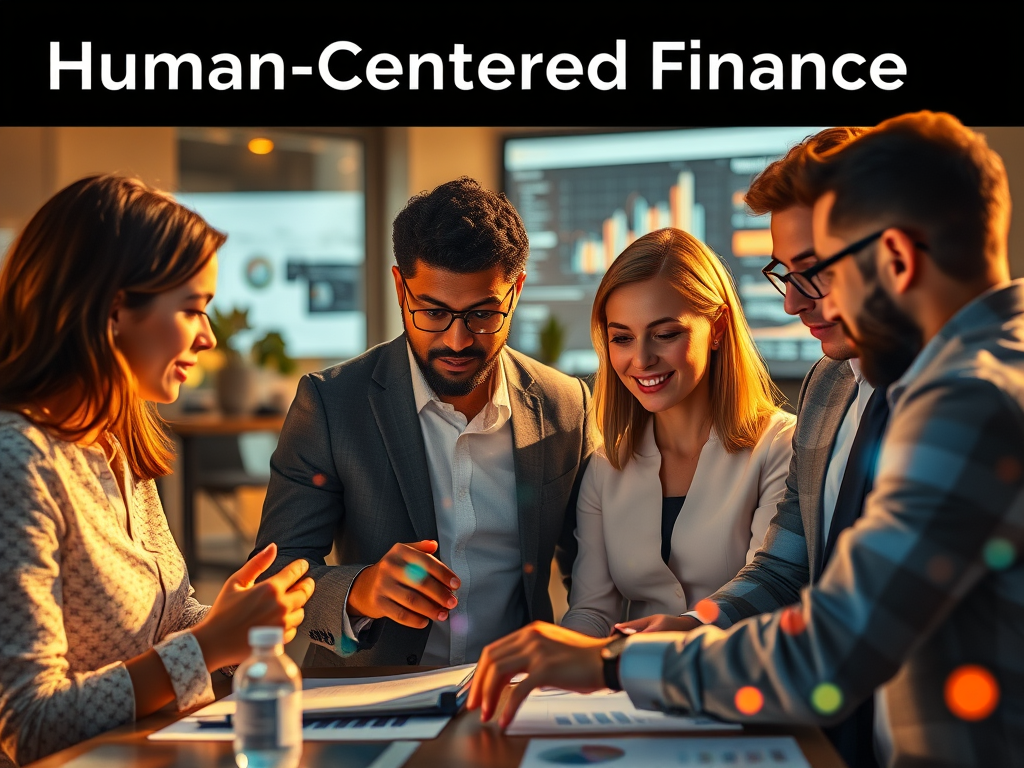
Human-Centered Finance: Elevating Digital Transformation

Effective finance transformation relies on prioritizing human-centered systems over mere technology. While automation can streamline processes, success hinges on data fluency, systems literacy, and cultural alignment. CFOs must lead with empathy, ensuring that systems enhance decision-making and collaboration, ultimately fostering trust and improving organizational outcomes.

Corporate Financial Planning, GenAI & AgenticAI

Generative AI in the CFO Office: From Invoice Matching to Strategic Forecasting

Generative artificial intelligence is transforming the finance sector by enhancing operational efficiency and strategic analysis. Unlike previous tools, it interprets data and produces insights, aiding CFOs in narrative construction, forecasting, and decision-making. Embracing generative AI allows CFOs to become strategic partners, improving clarity, confidence, and organizational agility while maintaining oversight and governance.

Scroll to Top