


Gaining a Board Seat: Investor Influence or Oversight?
Part I Gaining a Board Seat: Investor Influence or Oversight? In the labyrinthine structure of corporate governance, the board seat […]
Part I Gaining a Board Seat: Investor Influence or Oversight? In the labyrinthine structure of corporate governance, the board seat […]

The essay explores the complexities of venture capital term sheets, emphasizing the tension between investor protection and founder autonomy. It highlights key elements like liquidation preferences, board control, and anti-dilution provisions, urging founders to carefully negotiate terms that foster alignment rather than control. Ultimately, clarity in these negotiations promotes successful partnerships.

The importance of portfolio monitoring in private equity is emphasized as a critical practice for discerning emerging truths amidst opacity. Effective monitoring requires granularity, dynamism, and diagnostic capabilities to anticipate risk and ensure timely actions. It transforms firms into proactive entities, fostering collaboration and leveraging performance for improved outcomes and insights.

The content explores the complexities of exit timing in private equity, emphasizing the balance between emotional attachment and rational decision-making. It discusses the significance of IRR and the risks of delaying exits, advocating for structured, proactive exit strategies. Ultimately, effective exit management is portrayed as a disciplined approach that fosters optimal returns while embracing the art of letting go.

This content explores the complexities of constructing private equity portfolios during the investment period, highlighting challenges such as limited capital, time constraints, and the importance of decision-making under uncertainty. It emphasizes the need for strategic planning, adaptive management, and the moral implications behind investment commitments amidst volatile market conditions.
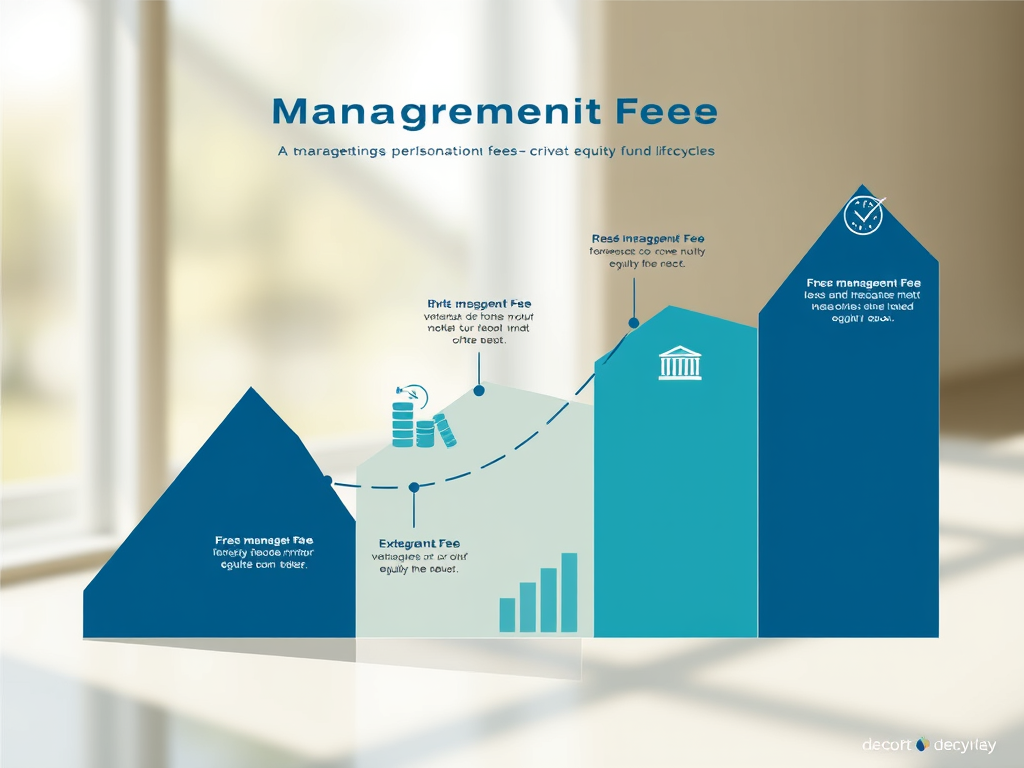
The management fee in private equity is a complex, evolving instrument shaped by time, incentives, and market dynamics. Initially a simple 2% structure, it distorts over time, extracting value while misaligning interests between general partners and limited partners. The fee signifies expectations and reflects a deeper narrative of trust, performance, and transparency.

Carried interest remains a crucial yet contentious concept in private equity, representing both incentive alignment and potential misalignment. While it aims to connect risk and reward, its impact often varies based on context and structure. Reforms focusing on transparency, genuine risk, and value-driven vesting are essential for maintaining legitimacy and ethical standards in capital management.

The essay explores the complexities of private equity fundraising, emphasizing the need for discipline and trust between general partners and limited partners. It discusses shifting dynamics in the fundraising landscape, where LPs become strategic, and managers must articulate their narratives. This process tests institutional clarity, revealing deeper organizational values and responsibilities.

The buy-and-build strategy is celebrated for its potential to create scalable, synergistic companies through acquisitions. However, integrating add-ons can introduce chaos and complexity if not managed properly. The CFO’s role is crucial in ensuring coherence and assimilability, navigating the challenges posed by culture, systems, and operational limits to achieve sustainable growth.

The internal rate of return (IRR) is a critical metric in private equity, emphasizing the importance of timing in profit realization. This reflection explores the balance between acceleration and long-term strategy in exits, highlighting the necessity of narrative coherence, market conditions, and optimal synchronization of internal readiness to maximize IRR effectively.

The investment thesis is an essential strategic tool that articulates beliefs about a company’s potential transformation and value creation. It must answer core questions regarding business fundamentals, change feasibility, timing of transformations, and human factors involved. A well-crafted thesis binds the firm, guides execution, and fosters accountability, while a weak thesis leads to pitfalls and misalignment.

The Leveraged Buyout (LBO) is a complex financial tool that acquires companies using minimal equity and substantial debt, aiming for efficiency and transformation. It involves stringent discipline and governance, revealing inefficiencies and demanding accountability. Critics highlight potential pitfalls, yet well-executed LBOs can enhance company strength, aligning incentives to drive long-term success.

This essay explores the semiotics of financial signals in capital markets, emphasizing the CFO’s role in interpreting and shaping stakeholder expectations. Rather than relying solely on metrics, it highlights the importance of context, narrative design, and coherent messaging to build trust and communicate corporate identity effectively across diverse audiences.

The internal audit function is transforming from a bureaucratic oversight role to a strategic partner that enhances organizational integrity and resilience. By focusing on systemic insights rather than mere compliance, audits become valuable tools for discovering operational truths and enabling trust, thereby fostering proactive engagement within the organization.

The essay discusses the misconception that data abundance guarantees strategic clarity. It emphasizes that effective data governance, rather than sheer volume, transforms data into strategic value by ensuring coherence and reliability. Poor governance leads to misalignment and ineffective decision-making, making governance essential for organizational agility and unified understanding across functions.

The marketplace today is characterized by persistent disruption rather than isolated events, necessitating a transformation in financial strategies to ensure resilience. CFOs must adopt adaptive financial architectures, emphasizing liquidity, flexibility, and informed risk management. Success relies on cultural readiness, transparent decision-making, and proactive adaptation, enabling organizations to navigate volatility with clarity and confidence.

The modern CFO’s role in tax planning has evolved into a strategic orchestration, blending compliance with global regulatory insight. Tax is viewed as a language of alignment and ethics, where complexity becomes opportunity. CFOs must navigate constant changes, integrating tax into business decisions to transform it from a burden into a strategic advantage.

The content discusses the importance of internal audit within organizations, emphasizing its role beyond mere compliance. It suggests that CFOs should transform audit from a defensive measure to a strategic asset, providing insights into organizational behavior and decision-making. By fostering transparency and integrating audit into strategic conversations, organizations can enhance alignment, culture, and ethical clarity.

The merger process, often perceived as elegant, involves complex cultural and operational challenges. The CFO plays a crucial role in navigating these complexities, ensuring alignment in financial truths, systems, and organizational identity. Success in integration hinges on transforming the merger into a cohesive entity, reinforcing shared purpose beyond mere transactions.

The content explores the profound relationship between financial leadership and storytelling, emphasizing the CFO’s dual role as a data interpreter and narrative creator. It discusses how narratives shape investor sentiment, the importance of digital tools in financial planning, and how budget variances can inform strategic decision-making, ultimately redefining finance as an artful dialogue.

The content discusses the significance of foreign exchange (FX) risk for global companies, emphasizing its different types: transactional, translational, and economic exposure. Effective management requires a nuanced understanding and tailored strategies. Companies can either respond passively or proactively through hedging and organizational design to navigate currency volatility and enhance strategic agility.

The text emphasizes the importance of scenario planning as a strategic discipline in navigating uncertainty. It highlights how organizations can prepare for various economic futures by defining relevant scenarios, assessing vulnerabilities, and ensuring cross-functional collaboration. Embracing uncertainty enables firms to remain resilient and adaptable in times of disruption.

The boardroom embodies a ritualistic beauty but masks a volatile environment where effective governance is challenged by outdated reporting. A dynamic dashboard is proposed as a solution, enhancing real-time oversight and clarity. This shift from static to dynamic governance tools enables boards to navigate complexity and make informed decisions swiftly.

The post explores the multifaceted nature of credit in business, emphasizing its role amidst market uncertainty. It argues for a dynamic credit policy that balances rigidity and flexibility, fosters relationships, and tells a meaningful narrative. Ultimately, the CFO is portrayed as a custodian of trust and culture, guiding credit management with artistry and moral significance.

SOX automation enhances compliance by replacing manual tasks with systematic, traceable controls, improving operational efficiency and risk management. While requiring upfront investment, it delivers quick ROI through reduced audit costs and scalable compliance. However, risks persist, necessitating vigilant monitoring and proactive management to maintain oversight and governance integrity.
© 2026 Insightful CFO™. All rights reserved.
© 2026 Insightful CFO™. All rights reserved.