

Preferred Shares and Participating Preferred Shares: A Primer
Introduction: The Architecture of Preference and the Dignity of Risk In the long and unwinding history of financial invention, few […]
Introduction: The Architecture of Preference and the Dignity of Risk In the long and unwinding history of financial invention, few […]
Introduction: The Nature of Convertibles and the Cap That Tames Them There are few instruments in modern venture finance as
Introduction: The Hidden Price of Permission It has long been a principle of free markets that capital, while abundant in
Introduction: When Capital Demands the First Bite There is a moment in every venture journey—between the furious energy of a
To the founders whose courage animates our economy, and whose decisions echo not just through the term sheet, but through
IntroductionOn Rights That Aren’t Free: Pro Rata as Embedded Power, Not Courtesy It is a curious truth of early-stage finance
IntroductionOn Follow-Ons as a Mirror of Strategy, Not a Measure of Faith In the hushed rituals of venture investing, few

IntroductionOn the Necessity of Designing the Exit as a First Principle, Not a Last Resort It is a curious irony

Partnerships, then, are not peripheral. They are not rainmaking functions to be delegated, nor last-mile tactics invoked in panic. They are the deliberate art of distribution leverage—the decision to embed your momentum inside another’s motion. When executed with intentionality, they collapse time, reduce CAC, expand trust, and unlock market segments otherwise gated by inertia. When executed poorly, they diffuse ownership, dilute focus, and generate more slide decks than results.

The text emphasizes the importance of conducting technical due diligence internally before seeking venture capital. It argues that understanding and transparently conveying a company’s technical capabilities can build trust, improve investor relations, and ultimately enhance valuation. This proactive approach mitigates risks and fosters a culture of clarity and honesty, strengthening overall operational integrity.

Part I Of Barriers and Belief: The Moat as a Strategic Imperative In the fog-laced theater of early venture capital,

Intellectual property (IP) is essential for startups, serving as a strategic tool that protects unique innovations. This overview discusses the importance of IP forms like patents, trademarks, copyrights, and trade secrets. Founders must actively manage and operationalize IP, ensuring robust protection, enforcement, and integration into business strategy for long-term success.

The investment thesis in venture capital acts as a guiding framework for decision-making amid uncertainty. It encompasses three key elements: Market, Model, and Momentum. Investors must refine their thesis through strategic filters, calibrate expectations based on feedback, and remain open to counter-thesis exploration, fostering adaptability and ethical considerations.

VC due diligence is a crucial process that transcends mere data analysis, focusing on clarity and understanding risks, team dynamics, and founder psychology. It emphasizes the importance of deep inquiry, ethics, and mutual trust in building partnerships. Effective diligence combines thorough investigation with a collaborative spirit to foster meaningful relationships.

Part I Gaining a Board Seat: Investor Influence or Oversight? In the labyrinthine structure of corporate governance, the board seat

The Equity Stake Strategy emphasizes the philosophical nature of equity allocation in startups, highlighting its role in governance, motivation, and long-term viability. It details equity’s purpose in compensating, aligning, and anchoring team values while outlining the importance of a balanced cap table, careful hiring, and strategic investor relationships to drive growth and preserve founder control.

The content delineates the differences between pre-seed and seed funding stages in startups, highlighting their distinct characteristics in terms of capital raising, team maturity, traction expectations, and investor expectations. It emphasizes the importance of narrative and strategic planning for founders to navigate these stages effectively for long-term success.
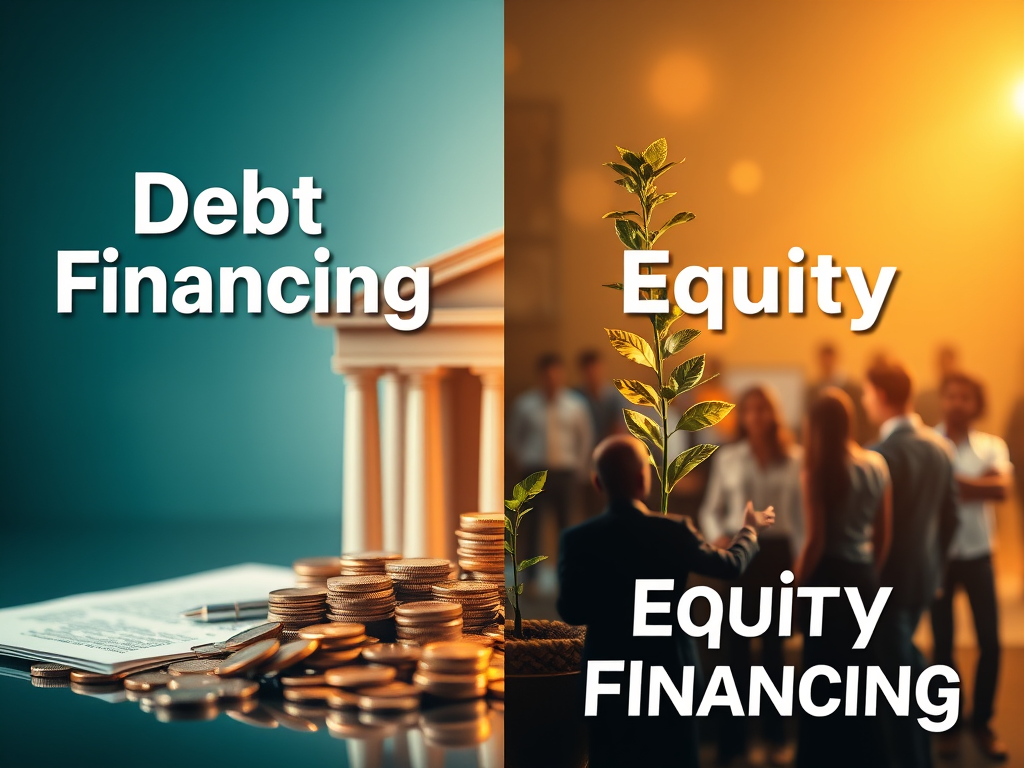
The choice between debt and equity financing significantly impacts a company’s financial structure, culture, and strategic direction. Equity provides permanent capital with ownership dilution, while debt maintains ownership but incurs fixed obligations. Founders should evaluate their company’s stage, risk appetite, and market conditions to strategically blend these financing options for optimal growth.

Venture debt is a misunderstood financing option for early-stage companies that can enhance equity and provide strategic benefits. It is typically 20%-40% of the latest equity round, with moderate interest rates and minimal covenants. Used wisely, venture debt extends runway, supports expansion, and allows preservation of ownership while minimizing dilution risks.

The transition from Series A to C is crucial for startups, shifting from product development to scalable business operations. Founders must architect capital strategies for growth, balanced with dilution management, operational discipline, and governance. Success relies on effective capital deployment, ensuring financial health and organizational readiness while avoiding pitfalls associated with rapid scaling.

The content discusses early indicators of success and failure for startups across various stages. Success relies on founder expertise, traction from early users, clear metrics, and organizational growth. Conversely, failure emerges through misalignment, stagnant learning, and inflated valuations. Recognizing these signals is crucial for navigating the startup landscape effectively.

A down round occurs when a company raises capital at a lower valuation than previously, impacting ownership and morale. It forces stakeholders to confront harsh realities and may lead to governance changes. While often perceived negatively, it can also create strategic opportunities for growth and re-structuring, emphasizing the importance of communication and leadership.

This essay outlines essential considerations for founders regarding term sheets, emphasizing economic traps and structural ambiguities. It highlights critical issues like inflated valuations, participating preferred shares, and cumulative dividends that can harm founder equity. Awareness and strategic negotiation are crucial for founders to safeguard their interests amid complex legal provisions.

A venture capital term sheet is a critical document that outlines the economic rights and control mechanisms essential for negotiating startup financing. It details aspects such as valuation, share classes, liquidation preferences, and governance terms. Understanding these elements helps founders and investors align interests and navigate potential conflicts effectively.

A capitalization table (cap table) is essential for understanding corporate ownership, detailing equity distribution among stakeholders, and evolving with financing rounds. It impacts governance, decision-making, and potential dilution, influencing founder control and investor protections. Managing a cap table strategically is crucial for a company’s growth, investor confidence, and employee alignment.
© 2026 Insightful CFO™. All rights reserved.
© 2026 Insightful CFO™. All rights reserved.