

What Are Convertibles And Convertibles With Caps
Introduction: The Nature of Convertibles and the Cap That Tames Them There are few instruments in modern venture finance as […]
Introduction: The Nature of Convertibles and the Cap That Tames Them There are few instruments in modern venture finance as […]
Introduction: When Capital Demands the First Bite There is a moment in every venture journey—between the furious energy of a
To the founders whose courage animates our economy, and whose decisions echo not just through the term sheet, but through
IntroductionOn Rights That Aren’t Free: Pro Rata as Embedded Power, Not Courtesy It is a curious truth of early-stage finance
IntroductionOn Follow-Ons as a Mirror of Strategy, Not a Measure of Faith In the hushed rituals of venture investing, few

IntroductionOn the Necessity of Designing the Exit as a First Principle, Not a Last Resort It is a curious irony

The content emphasizes the critical importance of customer retention over acquisition in business. It discusses how retention reflects customer satisfaction and influences profitability, emphasizing lifecycle marketing as a strategy to enhance customer connections. The piece outlines retention stages, metrics, and the necessity for organizational alignment to cultivate enduring customer relationships.

The concept of “founder-market fit” is essential in seed-stage investing, distinguishing a founder’s unique insights and experiences in navigating a market. It enhances resilience, adaptability, and team cohesion. As markets shift, this fit must evolve, guiding founders and investors alike toward strategic clarity and effective decision-making.

In the early stages of startups, selecting a technology platform is crucial, impacting velocity, reliability, scalability, security, hiring, cost, extensibility, vendor risk, observability, and strategic alignment. As companies grow, they must evolve their platforms thoughtfully, managing technical debt and migration while prioritizing developer experience and alignment with product goals to maintain momentum and avoid friction.

The investment thesis in venture capital acts as a guiding framework for decision-making amid uncertainty. It encompasses three key elements: Market, Model, and Momentum. Investors must refine their thesis through strategic filters, calibrate expectations based on feedback, and remain open to counter-thesis exploration, fostering adaptability and ethical considerations.

VC due diligence is a crucial process that transcends mere data analysis, focusing on clarity and understanding risks, team dynamics, and founder psychology. It emphasizes the importance of deep inquiry, ethics, and mutual trust in building partnerships. Effective diligence combines thorough investigation with a collaborative spirit to foster meaningful relationships.

Part I Gaining a Board Seat: Investor Influence or Oversight? In the labyrinthine structure of corporate governance, the board seat

The Equity Stake Strategy emphasizes the philosophical nature of equity allocation in startups, highlighting its role in governance, motivation, and long-term viability. It details equity’s purpose in compensating, aligning, and anchoring team values while outlining the importance of a balanced cap table, careful hiring, and strategic investor relationships to drive growth and preserve founder control.

The essay explores the complexities of venture capital term sheets, emphasizing the tension between investor protection and founder autonomy. It highlights key elements like liquidation preferences, board control, and anti-dilution provisions, urging founders to carefully negotiate terms that foster alignment rather than control. Ultimately, clarity in these negotiations promotes successful partnerships.

The content delineates the differences between pre-seed and seed funding stages in startups, highlighting their distinct characteristics in terms of capital raising, team maturity, traction expectations, and investor expectations. It emphasizes the importance of narrative and strategic planning for founders to navigate these stages effectively for long-term success.
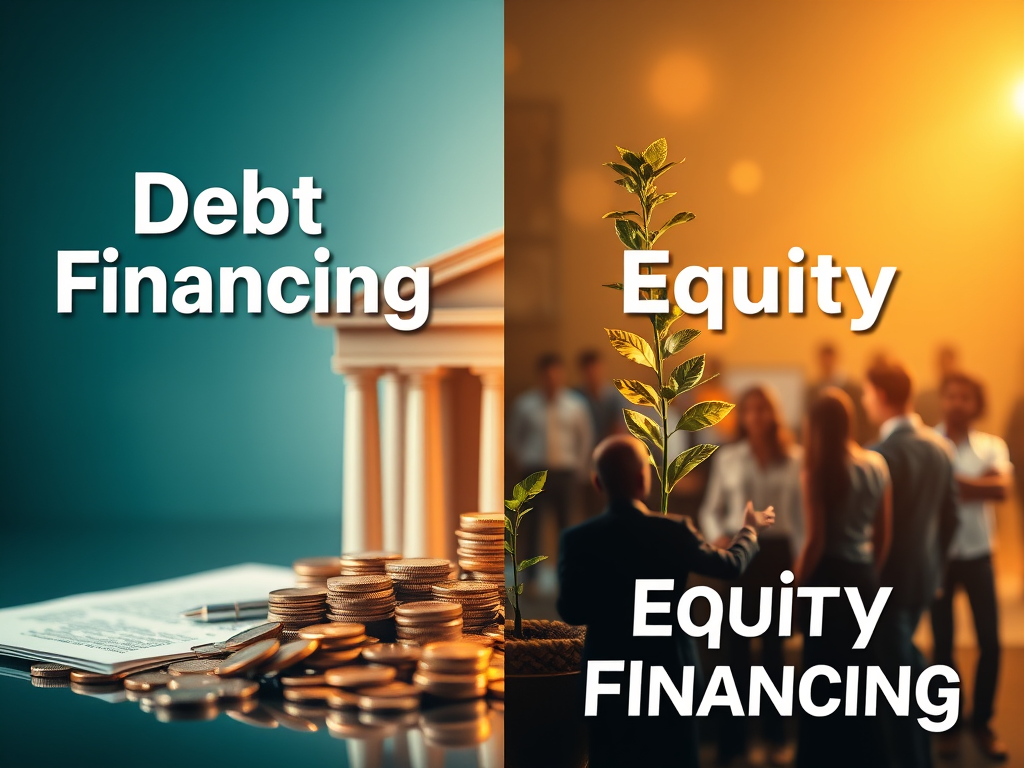
The choice between debt and equity financing significantly impacts a company’s financial structure, culture, and strategic direction. Equity provides permanent capital with ownership dilution, while debt maintains ownership but incurs fixed obligations. Founders should evaluate their company’s stage, risk appetite, and market conditions to strategically blend these financing options for optimal growth.

The transition from Series A to C is crucial for startups, shifting from product development to scalable business operations. Founders must architect capital strategies for growth, balanced with dilution management, operational discipline, and governance. Success relies on effective capital deployment, ensuring financial health and organizational readiness while avoiding pitfalls associated with rapid scaling.

The content discusses early indicators of success and failure for startups across various stages. Success relies on founder expertise, traction from early users, clear metrics, and organizational growth. Conversely, failure emerges through misalignment, stagnant learning, and inflated valuations. Recognizing these signals is crucial for navigating the startup landscape effectively.

A down round occurs when a company raises capital at a lower valuation than previously, impacting ownership and morale. It forces stakeholders to confront harsh realities and may lead to governance changes. While often perceived negatively, it can also create strategic opportunities for growth and re-structuring, emphasizing the importance of communication and leadership.

This essay outlines essential considerations for founders regarding term sheets, emphasizing economic traps and structural ambiguities. It highlights critical issues like inflated valuations, participating preferred shares, and cumulative dividends that can harm founder equity. Awareness and strategic negotiation are crucial for founders to safeguard their interests amid complex legal provisions.

A capitalization table (cap table) is essential for understanding corporate ownership, detailing equity distribution among stakeholders, and evolving with financing rounds. It impacts governance, decision-making, and potential dilution, influencing founder control and investor protections. Managing a cap table strategically is crucial for a company’s growth, investor confidence, and employee alignment.

The text emphasizes the limitations of traditional diversification strategies in private equity, arguing that mere spread across sectors, stages, and structures often leads to false independence and insufficient protection during market stress. It advocates for a deeper understanding of diversification that incorporates narrative differentiation and systemic resilience, redefining risk management in dynamic environments.

The evolution of deal sourcing from an intimate, relationship-based process to a digital, data-driven approach presents challenges and opportunities. While technology enhances access and speed, it risks creating saturation and noise, complicating discernment. The focus must shift to designing sourcing systems that balance reach with meaning and automation with intuition, preserving competitive advantages.

The concept of transaction multiples in corporate finance reflects not just price determinations but also a complex interplay of beliefs and narratives shaped by market conditions. Fairness in pricing is not absolute; it varies with context and perspective. Multiples serve as signals of consensus expectations, influenced by macroeconomic factors and negotiation dynamics, necessitating a more nuanced interpretation.

The content explores the fundamental differences between strategic and financial buyers in mergers and acquisitions, analyzing their philosophies, methodologies, and the implications for value creation. It emphasizes the complexities of integration, the role of the seller in evaluating offers, and the contextual nature of value, ultimately arguing that true value lies in buyer compatibility and execution rather than mere price differences.
© 2026 Insightful CFO™. All rights reserved.
© 2026 Insightful CFO™. All rights reserved.